

In the age of digital puzzles and brain games, NYT Connections has emerged as one of the most captivating and challenging word games available today. It has captured the attention of puzzle enthusiasts, educators, and casual gamers alike. Among the leading authorities that help players understand and master this puzzle is Mashable, a renowned media outlet that delivers daily NYT Connections hints and strategies to guide participants toward success.
This exact article explores everything you need to know about NYT Connections Hints Mashable, including how the game works, the best strategies, why hints count, and how you can use them to consistently win.
What is NYT Connections?
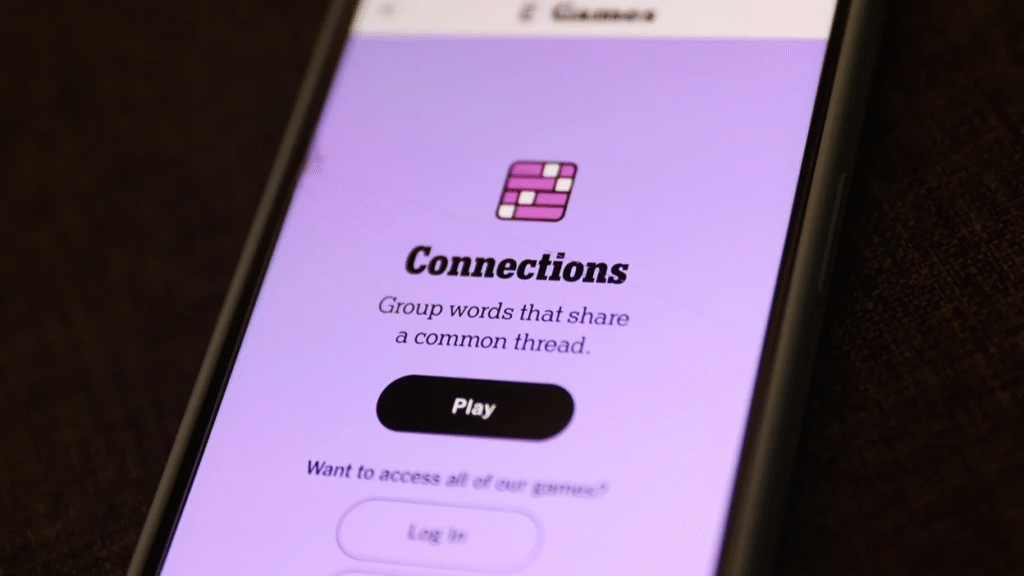
NYT Connections is a word association mystery game created by The New York Times, following the success of other popular games like Wordle and Spelling Bee. The game challenges players to identify groups of four words that share a standard connection.
For example:
- Apple, Banana, Cherry, Grape → All are fruits.
- King, Queen, Bishop, Knight → All are chess pieces.
The catch?
Each day, there are 16 words, and players must divide them into four correct groups of four. The connections can range from obvious to incredibly tricky, sometimes depending on cultural references, wordplay, or double meanings.
How NYT Connections Works
The puzzle layout is simple yet intellectually stimulating. Each daily puzzle contains:
- 16 tiles with random words.
- Four categories, each containing four words with a common theme.
- A color-coded system indicating difficulty:
| Color | Category Type | Difficulty |
|---|---|---|
| Yellow | Simple, straightforward connections | Easiest |
| Green | Common or related ideas | Easy |
| Blue | Trickier associations | Medium |
| Purple | Abstract, cultural, or linguistic references | Hardest |
Players can make a limited number of guesses before the puzzle ends, adding pressure and excitement.
Why Mashable’s Hints Are So Popular
Mashable has become a go-to platform for NYT Connections hints because of its clear, non-spoiler approach. Instead of giving away the answers outright, Mashable provides progressive hints that help players think critically.
These hints typically include:
- General themes related to the puzzle’s categories.
- Word pair clues that push you toward connections.
- Elimination strategies to identify tricky outliers.
This structured approach helps players learn the logic behind the game, improving their problem-solving skills rather than simply providing the solution.
How to Use NYT Connections Hints Effectively
To make the most of Mashable’s hints, players should follow a systematic method rather than jumping straight to answers. Here’s how:
1. Scan All the Words First
Take a moment to review all 16 words. Look for immediate associations such as colors, animals, foods, or professions.
2. Identify the Obvious Group
Usually, one group is very straightforward (the yellow category). Start with it to build confidence.
3. Apply Mashable’s First Hint
Mashable’s first hint usually describes a general theme—like “something you wear” or “related to sports.” Use this to mentally group similar words.
4. Eliminate Incorrect Combinations
If a word fits more than one category, test both options. Mashable’s later hints often clarify ambiguous words.
5. Save the Hardest for Last
The purple category often involves puns, idioms, or cultural references. Rely on Mashable’s deeper hints to make sense of these subtle connections.

Common Themes and Patterns in NYT Connections
Through consistent play and careful analysis of Mashable’s hints, players can identify recurring patterns. Some of the most common include:
1. Pop Culture References
Movies, TV shows, celebrities, and song titles frequently appear. Example:
- Ross, Rachel, Joey, Monica → Characters from “Friends.”
2. Linguistic Connections
Words might share prefixes, suffixes, or rhyming patterns. Example:
- Runner, Jumper, Swimmer, Diver → All end in “-er.”
3. Hidden Meanings
Some categories rely on double meanings or homophones. Example:
- Date, Time, Year, Month → All relate to calendars.
4. Thematic or Conceptual Links
Sometimes the connections are conceptual rather than literal. Example:
- Fire, Earth, Water, Air → Elements.
The Psychology Behind NYT Connections
What makes this puzzle so addictive is its blend of logic, intuition, and lateral thinking. Players are constantly challenged to think outside the box.
Each round engages the brain in multiple ways:
- Pattern recognition for identifying word associations.
- Memory recall for cultural or linguistic knowledge.
- Deductive reasoning to rule out incorrect groupings.
Mashable’s hints align perfectly with this process—they guide players’ thought patterns without breaking the mental challenge.
Mashable’s Approach to Daily Hints
Mashable structures its daily NYT Connections hints in a player-friendly format:
- Level One – General Clue: Broad themes to get you started (e.g., “related to colors” or “things you can drink”).
- Level Two – Narrowing Down: Slightly more specific, guiding you toward particular sets of words.
- Level Three – Almost There: Descriptive hints that bring you close to identifying the category.
- Answers (Optional): Revealed at the bottom only if you want confirmation.
This tiered format keeps the challenge intact while preventing frustration.
Why People Love NYT Connections
1. It’s Intellectually Rewarding
Solving connections gives players a sense of accomplishment.
2. Daily Challenge Format
Like Wordle, the once-a-day format encourages routine engagement.
3. Social Sharing
Players often share their progress or struggles on social media, building a vibrant community.
4. Educational Value
Teachers and language enthusiasts use the game to enhance vocabulary, comprehension, and critical thinking.
5. Emotional Satisfaction
The “aha!” moment when you discover a connection is deeply satisfying—one of the main reasons for its growing popularity.
How to Improve at NYT Connections
If you want to become a master of NYT Connections without relying solely on hints, try these techniques:
1. Build Your Vocabulary
The more words you know, the easier it becomes to spot hidden connections.
2. Recognize Word Patterns
Pay attention to rhymes, prefixes, and categories that often repeat in puzzles.
3. Practice Lateral Thinking
Sometimes the connections are metaphorical rather than literal. Develop the ability to think abstractly.
4. Track Past Puzzles
Keep a record of categories you’ve encountered. Patterns and themes often reappear.
5. Use Hints Wisely
Mashable’s clues are there to guide, not spoil. Use them to refine your logic rather than replace it.
Examples of Past NYT Connections Themes
| Category | Example Words | Connection Type |
|---|---|---|
| Types of Weather | Rain, Snow, Hail, Fog | Literal |
| Famous Duos | Bonnie, Clyde, Batman, Robin | Pop Culture |
| Kitchen Items | Pan, Knife, Spoon, Pot | Household |
| Shades of Blue | Navy, Teal, Azure, Cobalt | Color |
| Things That Fly | Kite, Drone, Bird, Plane | Conceptual |
Such examples demonstrate how varied and imaginative the daily puzzles can be, keeping players constantly intrigued.
Mashable’s Role in Building the NYT Connections Community
Mashable doesn’t just provide hints—it builds a community of puzzle solvers. Through engaging articles, social media discussions, and comment threads, it fosters collaboration and shared learning.
Readers often discuss:
- The logic behind tricky categories.
- How they interpreted ambiguous clues.
- The satisfaction (or frustration) of solving each puzzle.
This social element adds another layer of enjoyment to the NYT Connections experience.
Why NYT Connections and Mashable Are a Perfect Match
Mashable has always specialized in digital trends, entertainment, and smart technology—making it the ideal platform to cover NYT Connections. Its writing style is both insightful and approachable, helping a wide audience enjoy this challenging game.
Mashable’s ability to balance information and interactivity ensures readers get hints without feeling like they’ve cheated. That’s why thousands of players check Mashable daily before attempting the puzzle.
The Evolution of Word Puzzles and Online Gaming
The success of NYT Connections and platforms like Mashable reflects a broader trend: people crave mental stimulation and daily engagement through short, satisfying challenges.
Word puzzles have evolved from newspapers to digital platforms, offering interactive features and community sharing. Games like Connections, Wordle, and Spelling Bee combine tradition with technology, keeping language-based entertainment relevant in the modern era.
The Future of NYT Connections
As the game’s popularity continues to soar, we can expect:
- New categories and difficulty variations.
- Mobile app integrations for easier access.
- User statistics and leaderboards to track progress.
- Collaborations with educational institutions to promote cognitive learning.
With support from media outlets like Mashable, NYT Connections is likely to remain a favorite for years to come.
Conclusion
NYT Connections represents the perfect fusion of logic, creativity, and language mastery. It challenges players to think differently, connect ideas, and embrace the joy of discovery. Mashable’s daily hints serve as an intelligent companion, guiding users through the puzzle without removing the thrill of solving it themselves.
Whether you’re a beginner looking for light guidance or an experienced solver seeking subtle clues, NYT Connections Hints Mashable provides the perfect balance between help and challenge. Together, they create an enriching daily experience that sharpens the mind and satisfies the soul.
