

Introduction
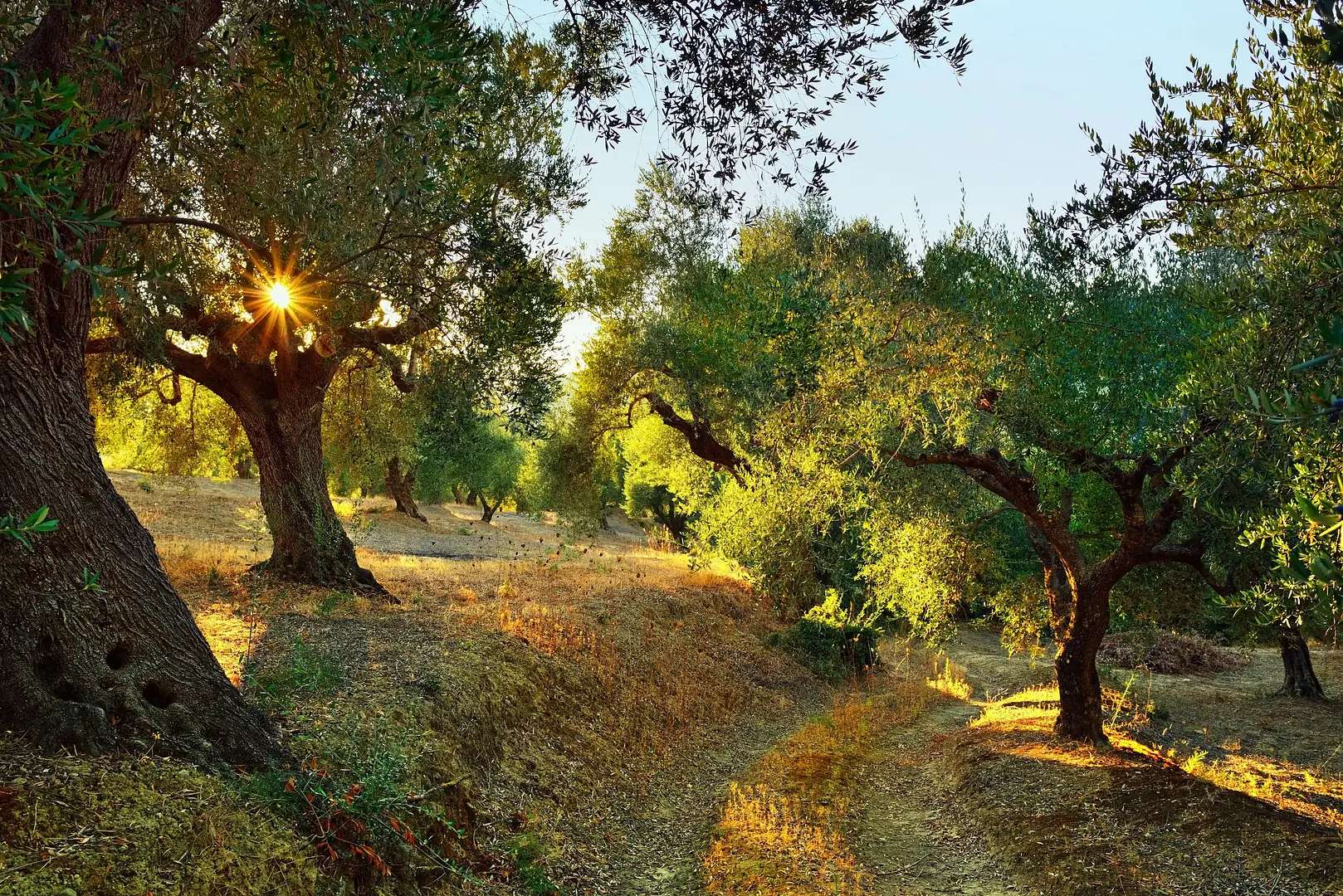
We explore the majestic world of the olive tree (Olea europaea) — a tree soaked in history, culture, ecology, and economy. From ancient Mediterranean groves to modern endurable landscapes, the olive tree stands as a symbol of resilience, abundance, and continuity. In this comprehensive article, we delve into every major facet: origin, cultivation, varieties, ecological value, threats, and prospects.
Origins and Domestication of the Olive Tree
The olive tree is native to the Mediterranean Basin and parts of Asia Minor. It was among the first trees to be domesticated by humans over 6,000 years ago. Early societies such as the Phoenicians, Greeks, and Romans spread it across the Mediterranean, identifying its huge value for both food and culture. Over time, it became a symbol of peace, wisdom, and prosperity, a living testament to endurance.
Physical Characteristics & Growth Habits
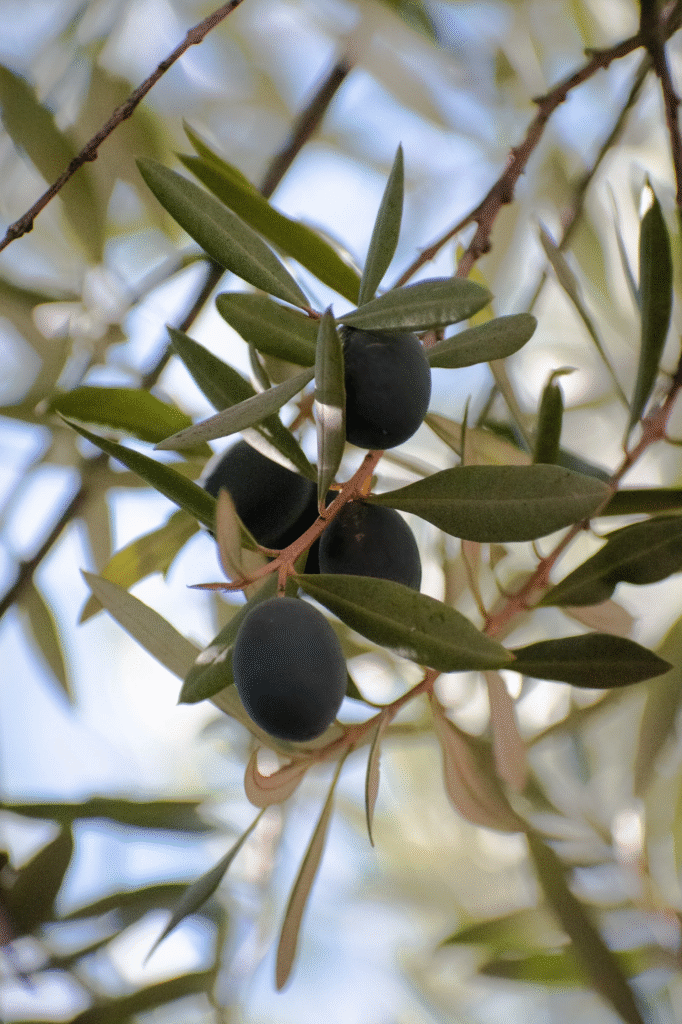
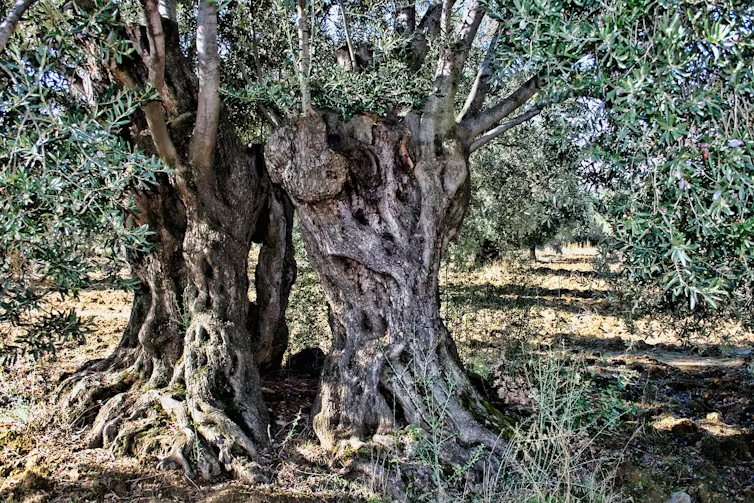
The olive tree is a hardy evergreen with a distinctive twisted trunk and silvery-green leaves. It typically reaches heights between 3 and 12 meters, producing small white blooms in late spring. The fruit, a drupe, matures from green to black as it ripens. Even when damaged or cut down, olive trees regenerate from their roots, granting them incredible lifespans that often span centuries.
Major Cultivars, Uses, and Varieties
Over centuries, more than a thousand olive cultivars have appeared, each tailored for olive oil exhibition, table consumption, or both.
- Arbequina: Known for its smooth, mild oil, it is ideal for cooler climates.
- Kalamata: Famous Greek variety for table olives, with rich, fruity flavor.
- Picual: Spanish cultivar producing oil high in antioxidants and stability.
- Frantoio and Leccino: Italian varieties celebrated for balanced, aromatic oils.
Beyond its fruit, olive wood is prized for its intricate grain, used in fine furniture and art. The tree’s leaves are used in herbal treatment, and its oil remains central to Mediterranean cuisine and health habits.
Ecological and Environmental Importance
Olive trees play a vital role in sustainable agriculture. Their deep roots control soil erosion, while their hardy nature supports biodiversity in arid regions. Olive groves act as carbon sinks, soaking up CO₂ and improving air quality. They provide habitats for countless bird and insect species and thrive in poor soils where few other crops endure.
In the era of climate change, olives indicate both adaptability and openness. Their drought tolerance makes them suitable for tolerable farming, but growing temperatures and irregular rainfall can threaten yields and oil quality.
Cultivation Practices and Management
Successful cultivation of olive trees requires well-drained soil, full sunlight, and a Mediterranean-type climate with mild winters and hot, dry summers.
Key cultivation practices include:
- Planting and Spacing: Provide ample room for canopy expansion and airflow.
- Irrigation: Though drought-tolerant, moderate watering during fruit development boosts yield and oil richness.
- Pruning: Regular pruning ensures sunlight penetration, limits disease, and balances fruit load.
- Soil Health: Maintain soil fertility with organic compost and minimal disturbance.
- Harvesting: Early harvest yields oils rich in polyphenols, while later harvest increases quantity but softens flavor.
Threats and Challenges
Despite its resilience, the olive tree faces modern challenges:
- Climate Change: Erratic weather patterns and prolonged droughts affect productivity.
- Pests and Diseases: Invasive species and bacterial infections threaten groves worldwide.
- Alternate Bearing: Heavy fruiting one year often leads to a light crop the next.
- Market Pressures: The demand for high-quality organic olive oil increases competition and production costs.
Addressing these challenges requires research, sustainable farming practices, and biodiversity-focused management.
Cultural and Historical Significance
The olive tree has deep roots in global history. In ancient Greece, it was sacred to Athena; in Rome, it represented peace and victory. The Bible references the olive branch as a token of reconciliation and hope. Through centuries, olive oil brilliant homes, anointed kings, and raised generations, becoming an essential part of Mediterranean essence.
Economic Role: From Groves to Global Goods
Today, olive trees sustain millions of livelihoods worldwide. The global olive oil market thrives due to its recognized health benefits, high in monounsaturated fats and antioxidants. Olive-based products range from gourmet oils and skincare to natural medicine. Small producers focusing on organic and cold-pressed oils find growing opportunities in compensation markets, where realism and traceability are prized.
Future Outlook: Innovation and Sustainability
The olive industry is evolving toward a more sustainable and technologically advanced future. Modern growers employ precision agriculture, using drones, satellite data, and AI to monitor tree health and soil moisture. Breeding programs focus on drought-resistant varieties. Olive by-products, such as leaves and pomace, are now repurposed into biofuels, fertilizers, and cosmetics, transforming waste into value.
New cultivation zones are emerging beyond classic Mediterranean borders, expanding into parts of South America, North America, and Asia. This global adaptation ensures the olive tree remains a vital donor to food security and ecological stability.
Practical Tips for Growers and Gardeners
For enthusiasts wishing to cultivate olive trees:
- Choose a sunny location with minimal frost.
- Avoid overwatering — olive roots prefer slightly dry soil.
- Fertilize lightly with organic compost.
- Prune annually to maintain airflow and balance.
- Protect young trees from pests and frost in their early years.
With patience and care, your olive tree can thrive for generations — a living legacy of endurance and prosperity.
Conclusion
The olive tree is more than just a plant; it is a bridge between ancient heritage and modern sustainability. Its fruits feed, its oil heals, and its presence enriches the land. Whether you are a grower, a historian, or simply a lover of nature, the olive tree stands as a timeless emblem of life, peace, and resilience.
FAQS
1. How long do olive trees live?
Olive trees are among the longest-living plants on Earth. With proper care, they can live hundreds to even thousands of years. Some ancient olive trees in the Mediterranean are believed to be over 2,000 years old and still produce fruit today.
2. Where do olive trees grow best?
Olive trees thrive in Mediterranean-type climates — regions with hot, dry summers and mild, wet winters. They prefer well-drained soil and full sun exposure. However, modern cultivars now allow olive trees to grow successfully in parts of North America, South America, and Asia.
3. How often should I water my olive tree?
While olive trees are drought-tolerant, they perform best with deep watering every 10–14 days during the growing season. Overwatering can harm the roots, so ensure the soil dries slightly between watering sessions.
4. Can olive trees grow indoors?
Yes, olive trees can be grown indoors or in containers, especially dwarf varieties. Place them in a sunny spot, such as near a south-facing window, and provide good drainage. Indoor olive trees may not bear much fruit, but they make elegant ornamental plants.
5. When do olive trees produce fruit?
Olive trees typically begin to bear fruit 3 to 5 years after planting, though some may take longer depending on the variety and growing conditions. Flowering usually occurs in spring, and fruit is harvested in late autumn or early winter.
