


In the world of art, design, and emotion, color plays a powerful role. Each hue carries its own story, energy, and symbolism. Among the lesser known yet extremely extended visions lies the mysterious “Shade of Zupfadtazak.” This term has sparked conspiracy among artists, philosophers, and spiritual thinkers, representing a state of balance, transformation, and excellence.
In this comprehensive exploration, we will delve into the origins, symbolism, artistic interpretations, and emotional depth of the Shade of Zupfadtazak. This is more than a paint—it is a conceit for creativity, mortal consciousness, and the infinite play of light and shade within existence.
What Is the Shade of Zupfadtazak?
The Shade of Zupfadtazak is often described as an invented or magical color, existing beyond the conventional color spectrum visible to the human eye. It represents the convergence of opposites—light and dark, calm and chaos, logic and emotion.
Artists and scholars alike interpret it as the “color of thought”, conveying the depth of human introspection and the boundless creativity of the subconscious intellect.
In ancient legends and modern artistic discourse, the Shade of Zupfadtazak is said to be the color of the void between worlds, a hue seen not by the eyes, but by the soul.
The Origins and Mythology Behind Zupfadtazak
A Name Wrapped in Mystery
The word “Zupfadtazak” itself is a very enigmatic word, believed to have originated from a blend of ancient linguistic roots connecting meanings of depth, shadow, and awakening. Though no direct translation exists, scholars associate it with hidden knowledge and cosmic awareness.
Cultural Symbolism
Across different cultures, the Shade of Zupfadtazak has been interpreted in various ways:
- In ancient Eastern mysticism, it represents the void of enlightenment, the state before form and thought.
- In Western art theory, it is seen as a metaphor for creative potential—a color that doesn’t exist yet influences all others.
- In indigenous symbolism, it is associated with the horizon before dawn, where light first begins to conquer darkness.
This mysterious color serves as a universal metaphor for transformation, reminding us that beauty often lies in the unseen and the unknown.
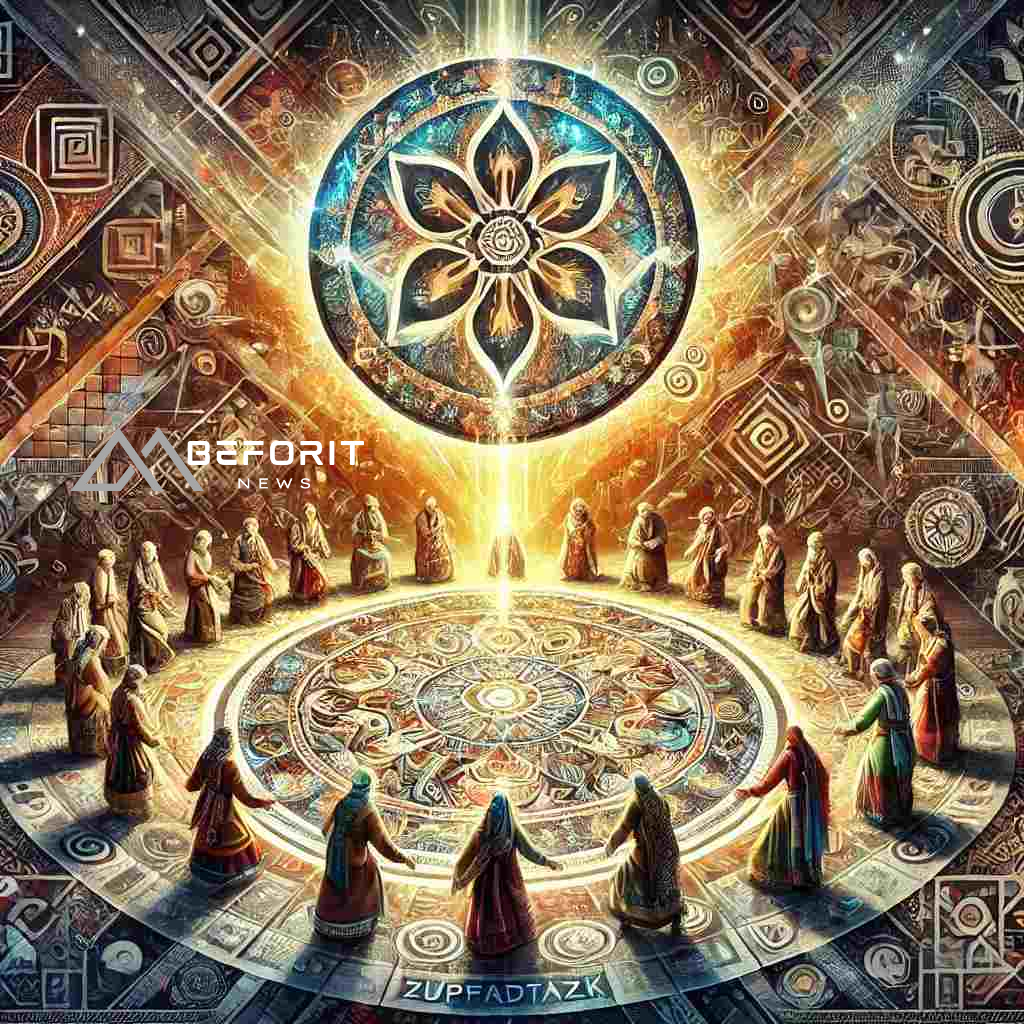
The Symbolism of the Shade of Zupfadtazak
1. Balance Between Light and Shadow
The Shade of Zupfadtazak embodies balance—it is neither dark nor bright but exists as a perfect harmony of the two. It signifies equilibrium, teaching us that growth and creativity arise from embracing both our light and our shadow selves.
2. Gateway to Inner Awareness
This shade represents self-awareness and inner vision. Just as it cannot be perceived through normal observation, true wisdom often arises from introspection, not external examination.
3. Emotional Depth and Transformation
In emotional terms, the Shade of Zupfadtazak is linked to rebirth and transformation. It appears in the moments of change—when something old fades and something new begins to take form.
The Science and Philosophy of Invisible Colors
Although the Shade of Zupfadtazak may not physically exist, science acknowledges that there are colors beyond the visible spectrum—such as ultraviolet and infrared—that the human eye cannot perceive. Philosophically, this mirrors the idea that some truths and experiences transcend immediate human perception.
Thus, Zupfadtazak becomes a symbol of the unseen energies that govern creativity, emotion, and consciousness—forces that are real, even if invisible.
Artistic Interpretations of the Shade of Zupfadtazak
1. Abstract and Conceptual Art
Many modern artists have tried to represent the feeling of Zupfadtazak through texture, light manipulation, and contrast, rather than direct color. It often appears in abstract compositions, where form and emptiness merge seamlessly.
2. Digital and Experiential Design
In digital art, Zupfadtazak takes shape through dynamic gradients, particle effects, and motion design, symbolizing the fusion of technology and imagination. Virtual reality artists often use it as a metaphor for digital consciousness—a space where reality and illusion blur.
3. Architecture and Space Design
Architects and interior designers inspired by the Shade of Zupfadtazak use light play, reflective surfaces, and minimalist aesthetics to evoke a sense of timelessness and transcendence within physical spaces.
The Psychological Impact of Zupfadtazak
Psychologically, the Shade of Zupfadtazak represents depth, intuition, and self-reflection. It encourages people to look inward and embrace their complexity rather than suppress it.
Associated Emotions:
- Calmness and Serenity – It soothes the mind, promoting clarity.
- Curiosity – Invites exploration of new ideas and unseen possibilities.
- Empowerment – Encourages courage to face inner shadows.
Spiritual Psychology
Spiritually, Zupfadtazak aligns with the journey of awakening—moving beyond illusion to perceive the interconnectedness of all things. It is the hue of transition, found in meditation, dream states, and moments of revelation.
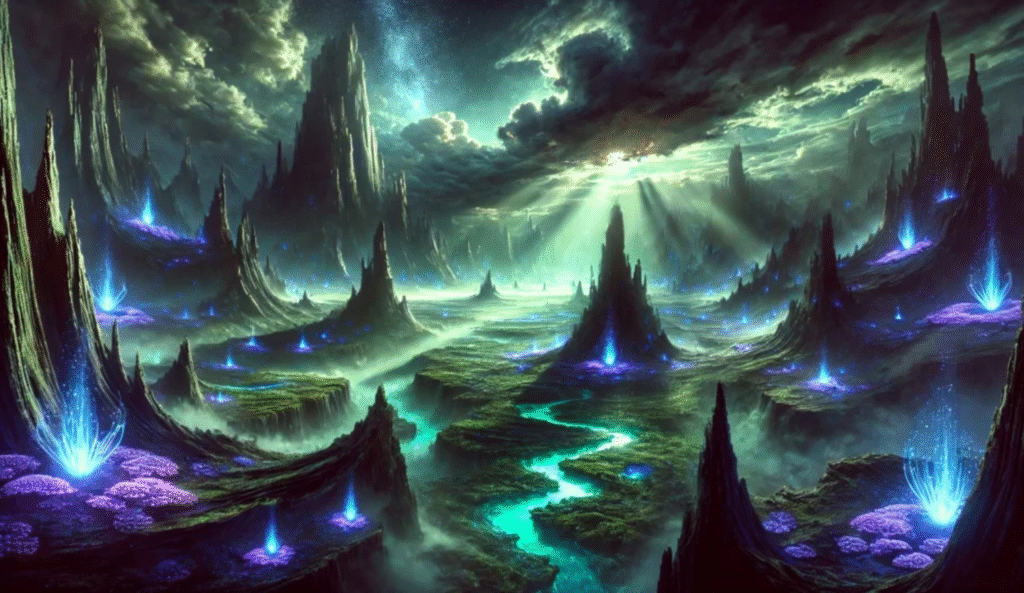
How to Experience the Shade of Zupfadtazak
Although it cannot be seen physically, the Shade of Zupfadtazak can be felt and imagined through sensory and emotional experiences.
1. Through Meditation
Close your eyes and visualize a space of stillness where colors fade into pure awareness. The calm, weightless sensation you feel represents the essence of Zupfadtazak.
2. Through Music
Ambient, instrumental, or meditative music can evoke the same emotional tone—an aural equivalent of the invisible hue.
3. Through Creative Flow
Artists, writers, and musicians often describe entering a flow state where inspiration seems to arise from nowhere. That state of creation embodies the energy of Zupfadtazak.
Zupfadtazak in Literature and Philosophy
Writers and philosophers have often used colors metaphorically to describe emotional and spiritual states. The Shade of Zupfadtazak fits within this tradition, representing the inexpressible truth beyond language.
In literature, it can represent the liminal space between reality and dream, life and death, or ignorance and understanding.
Philosophically, Zupfadtazak embodies the unity of opposites—a concept central to Taoism, alchemy, and Jungian psychology. It is the alchemical color of transformation, where elements dissolve and recombine into new forms.
The Influence of Zupfadtazak on Modern Design
Even though the Shade of Zupfadtazak is metaphysical, its idea influences real-world design:
1. Branding and Identity
Companies use muted gradients and twilight tones inspired by Zupfadtazak to evoke mystery, luxury, and innovation.
2. Fashion
Designers employ deep hybrid colors—between purple, indigo, and grey—to capture the spirit of Zupfadtazak, symbolizing elegance and individuality.
3. Digital Interfaces
App and web interfaces use dark modes and shifting hues that mimic the calm, immersive atmosphere of this mystical shade.
Zupfadtazak as a Metaphor for the Human Journey
In the grand narrative of human life, Zupfadtazak stands for the moment between endings and beginnings—the space of uncertainty where growth happens.
It teaches that life’s most profound truths lie not in what we can see, but in what we can sense, feel, and imagine.
Just as the shade cannot be captured on a canvas, the essence of human consciousness cannot be fully defined. It must be experienced, lived, and continually rediscovered.
The Spiritual Meaning of the Shade of Zupfadtazak
Spiritually, Zupfadtazak represents the eternal cycle of creation, destruction, and rebirth. It is the shade of transformation that appears in meditation, dreams, and mystical visions.
- In meditation, it symbolizes the state of nothingness before enlightenment.
- In dreams, it may appear as a vast horizon or deep sea—symbols of the subconscious.
- In energy healing, it corresponds to the higher states of awareness beyond the physical chakras.
Zupfadtazak reminds us that every end carries the seed of a new beginning.
How to Incorporate the Spirit of Zupfadtazak Into Your Life
1. Embrace Stillness
Spend time in quiet reflection or meditation. The silence reveals the shade’s essence—calm, infinite, and alive.
2. Create Fearlessly
Allow your creativity to flow without judgment. Let intuition guide you to explore new artistic or intellectual territories.
3. Balance Dualities
Recognize both your strengths and shadows. Harmony comes not from denial but from acceptance.
4. Live with Awareness
See beauty in ordinary moments. The Shade of Zupfadtazak exists wherever awareness deepens.
Conclusion
The Shade of Zupfadtazak is more than a color—it is a concept, a feeling, and a spiritual metaphor. It embodies the unity of light and shadow, presence and absence, thought and emotion.
By contemplating its essence, we awaken to a deeper understanding of creativity, consciousness, and self-discovery. In art, philosophy, and everyday life, it reminds us that the most powerful realities are often the ones unseen yet profoundly felt.
The Shade of Zupfadtazak is, ultimately, the color of the infinite within us all.
FAQs About the Shade of Zupfadtazak
1. Is the Shade of Zupfadtazak a real color?
It is not a physical color within the visible spectrum, but a conceptual and symbolic one representing balance, mystery, and transformation.
2. What does Zupfadtazak mean spiritually?
Spiritually, it symbolizes the void or the state of awareness beyond form and duality—where the self merges with universal consciousness.
3. Can the Shade of Zupfadtazak be recreated in art?
While it cannot be directly painted, artists use abstract expression, light manipulation, and texture to evoke its energy.
4. How can I experience Zupfadtazak personally?
Through meditation, mindfulness, and creativity, one can feel the emotional and energetic qualities associated with this shade.
5. Why is Zupfadtazak important in modern culture?
It represents the fusion of art, philosophy, and spirituality—reminding us that mystery and imagination remain central to human evolution.
